Costumes
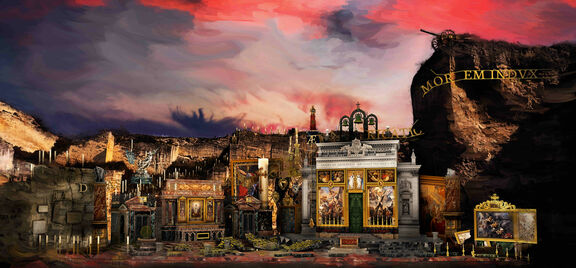
Costumes
‘My costumes for “Tosca” combine the dramatic opulence of the Baroque period with realistic attention to detail. They are not only magnificent, but also historically accurate, helping to anchor the characters credibly in their time.’
Giuseppe Palella
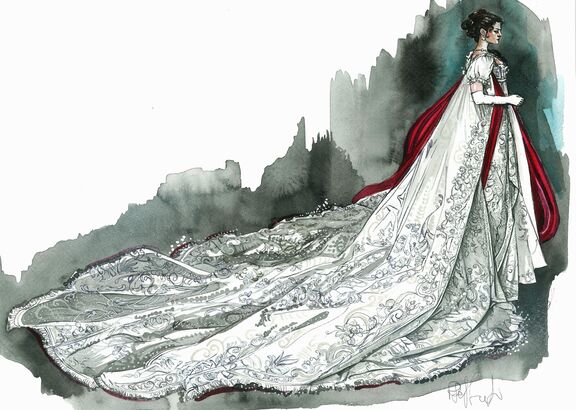
Floria Tosca
Tosca appears in the Palazzo Farnese, draped in white flowers and a large, embroidered cloak. Beneath it, like a secret, lies the colour ruby red. Scarpia undresses her and reveals the stage with this inverted costume – a symbol of passion and blood.
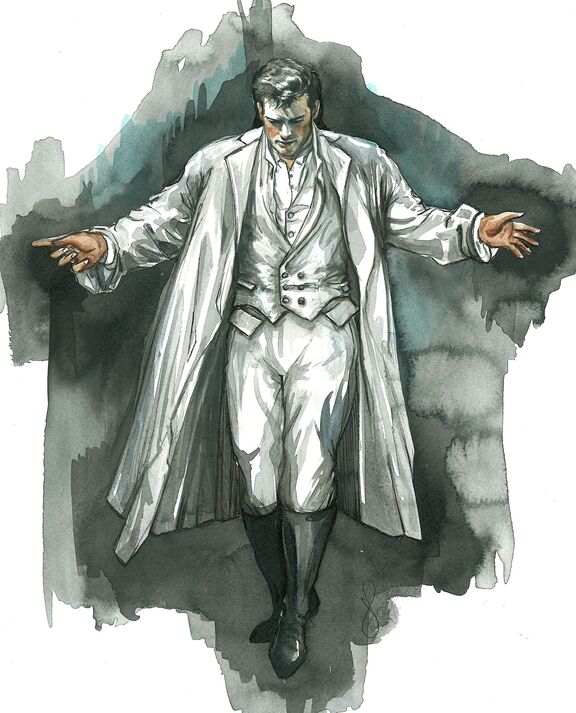
Mario Cavaradossi
The purity of Mario's soul, his love for Tosca and his political ideals are symbolised by the colour white, which permeates the colours of his painter's palette.
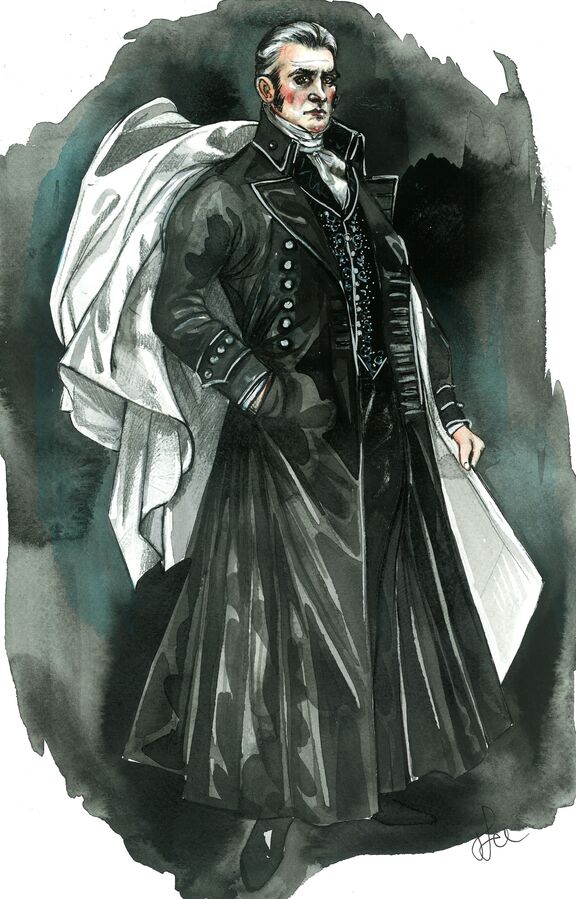
Baron Scarpia
Amidst angelic figures, saints and white altars, his dark clothing concentrates all the torment and violence that his passion for Tosca awakens in him.
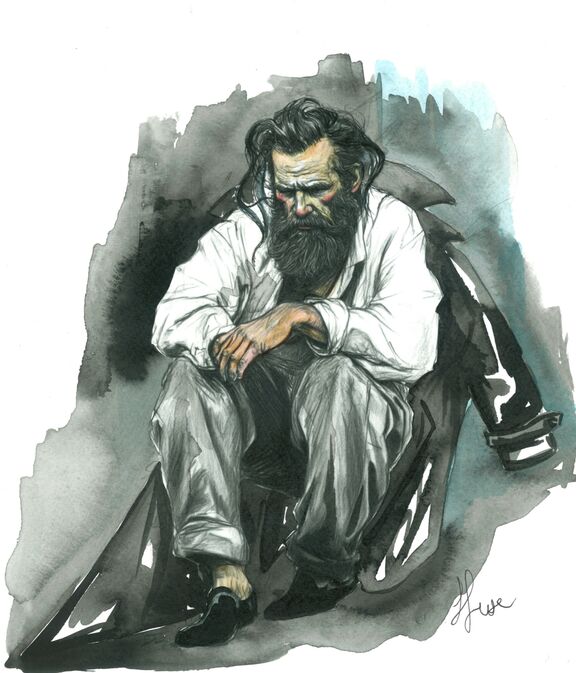
Cesare Angelotti
His torn costume bears witness to torture and suffering. His arrival reveals the difficult political reality in which our protagonists live. Art and love must contend with politics.
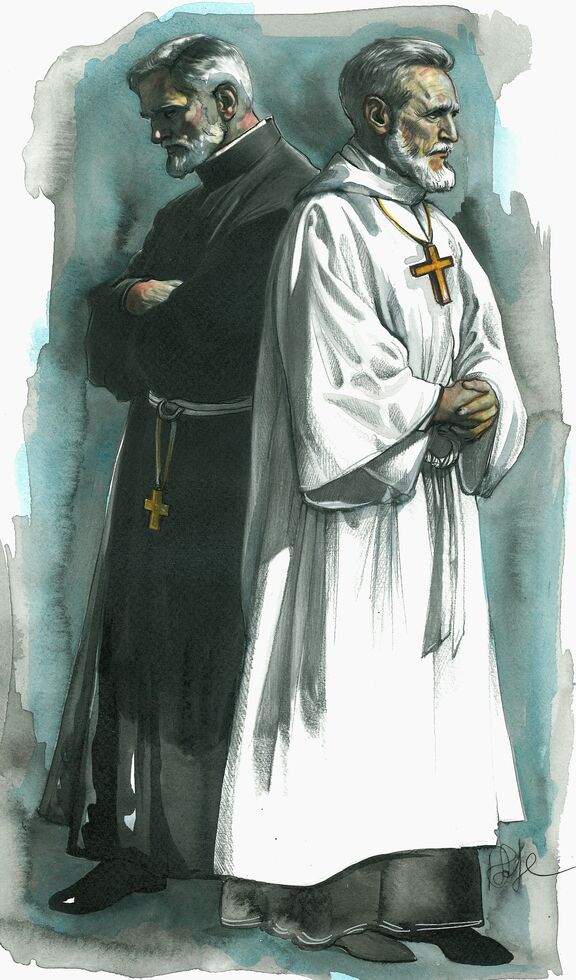
Sagrestano & Theatine
These costumes are actually disguises. These characters experience the political situation as rebels, and beneath their religious robes they are staunch supporters of Mario and Angelotti.
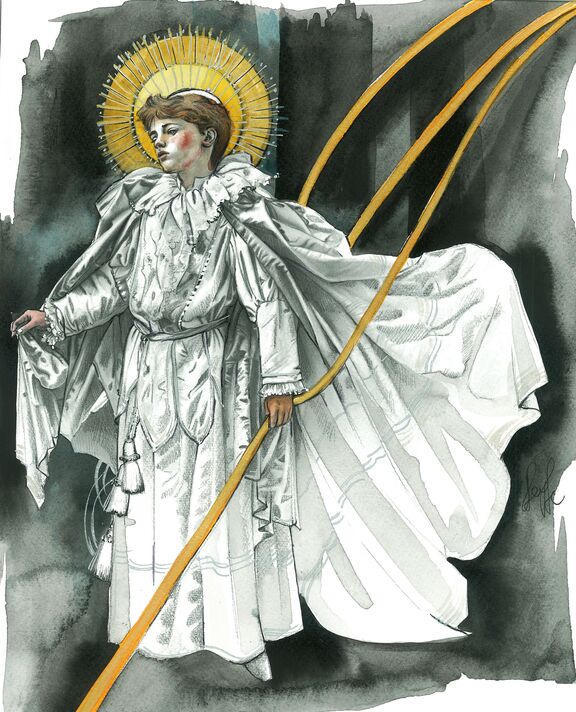
Te Deum-Chorus
The children in white and gold, like cherubim around the altar, welcome Tosca, who shines like a saint. They accompany the queen and the ladies-in-waiting, dressed in extremely feminine and egocentric clothing that symbolises the fragile lightness of the ruling royal figures.